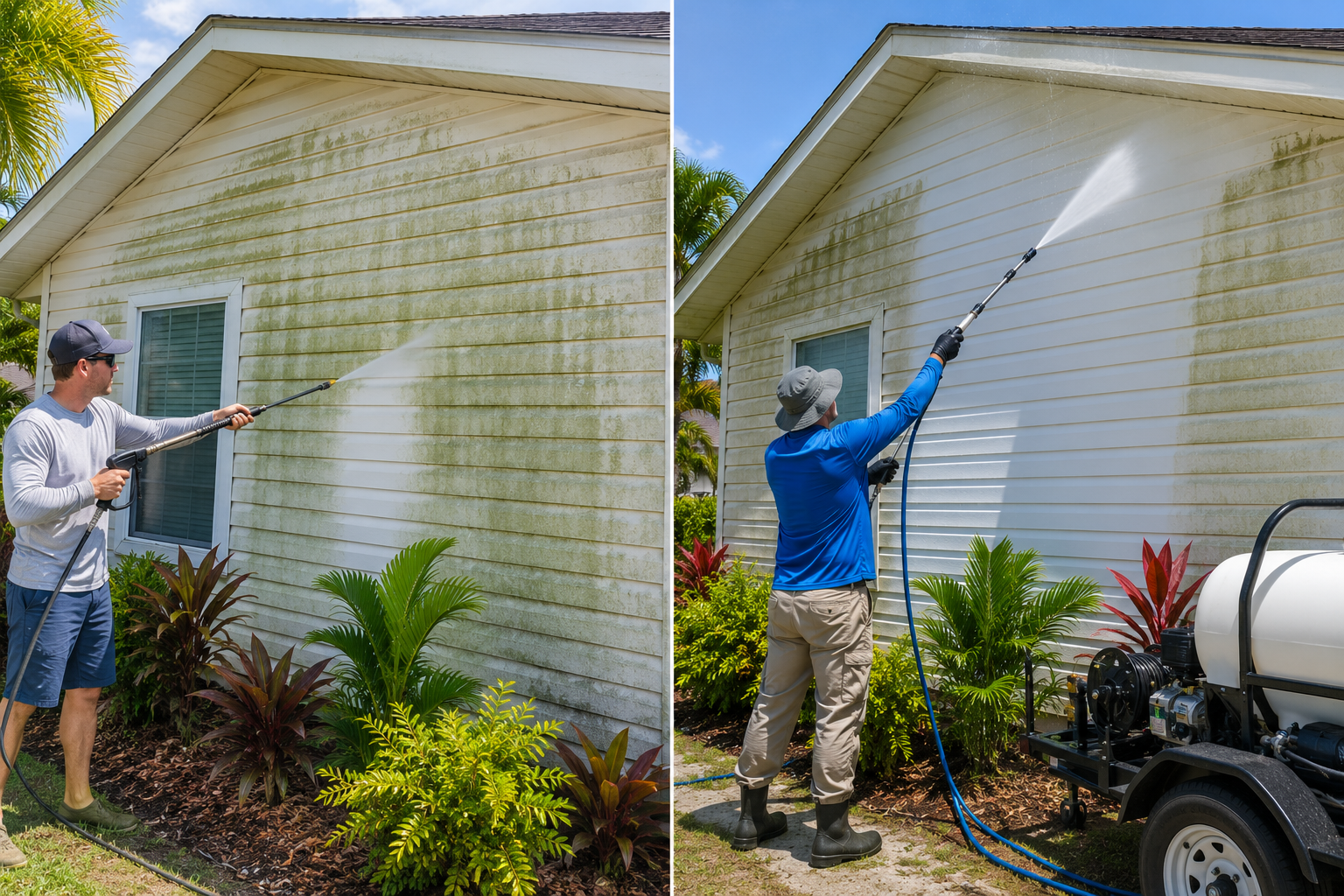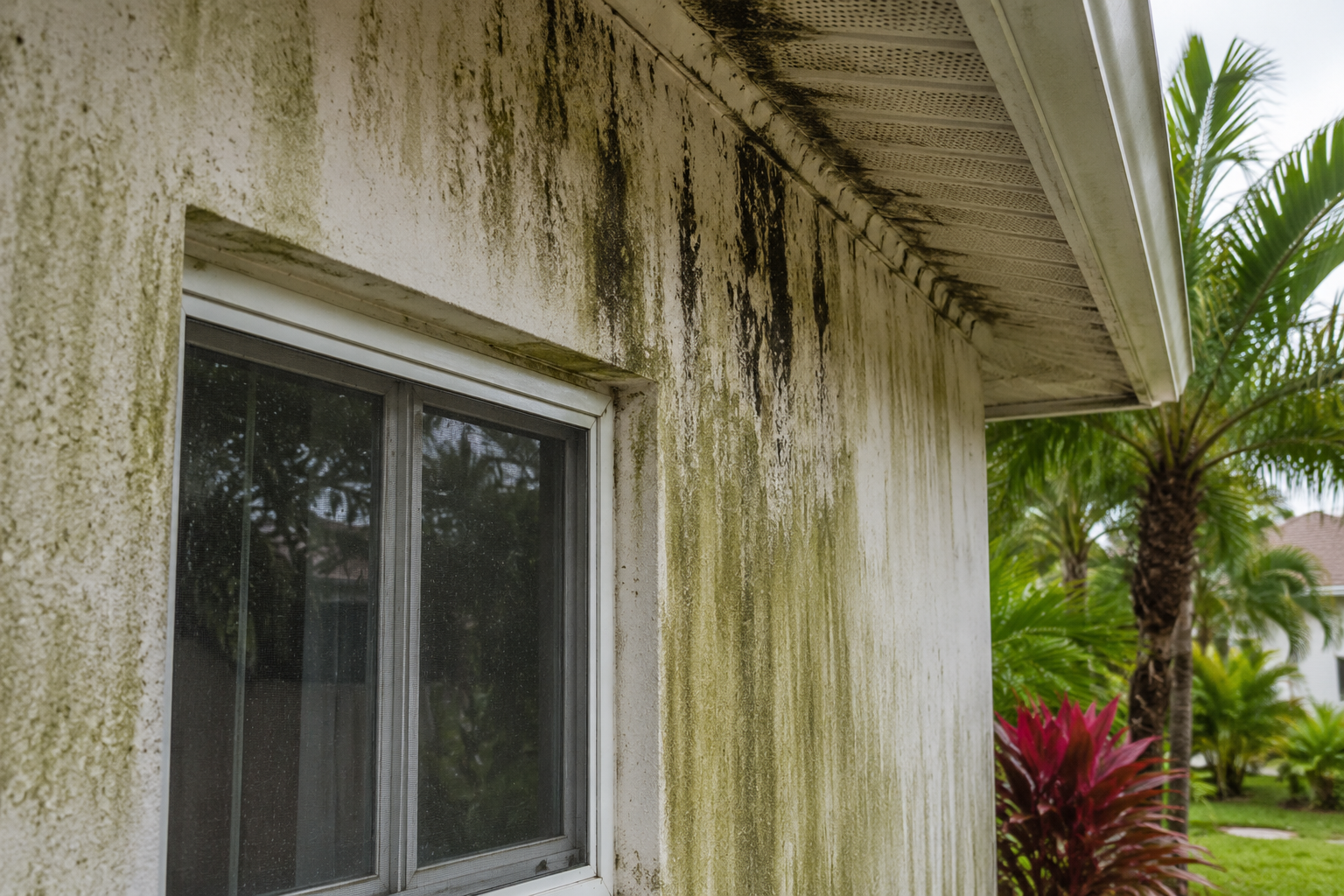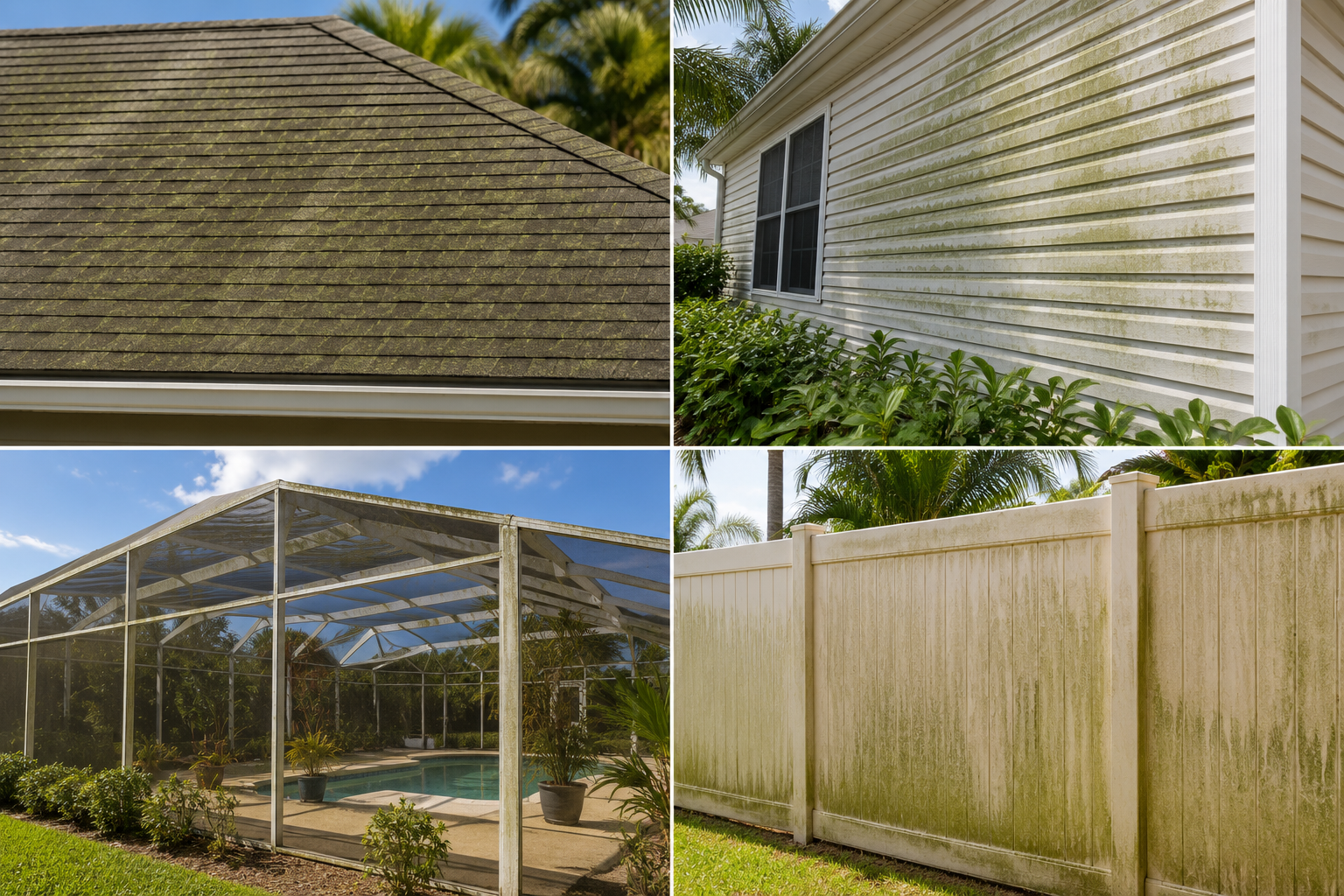
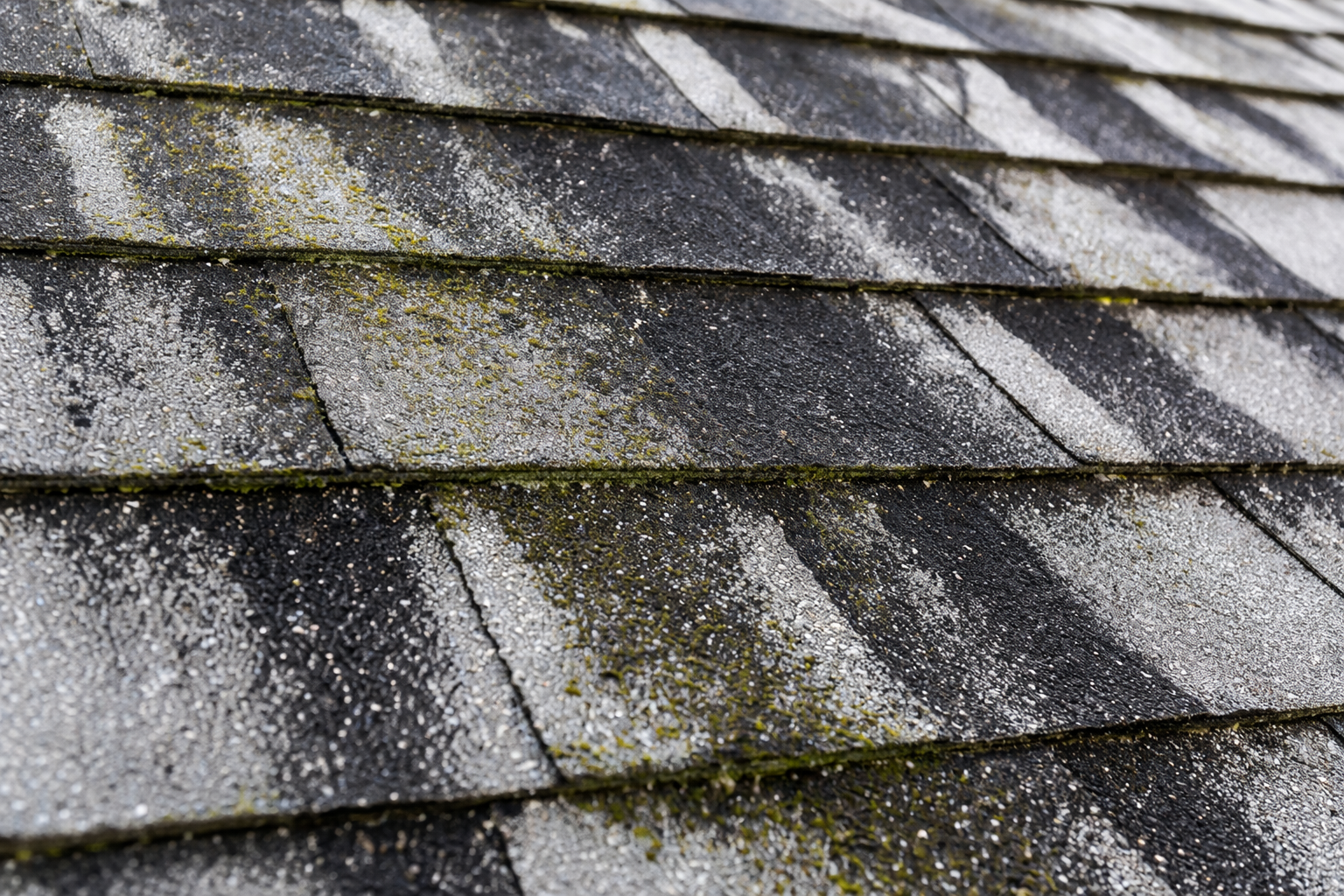
At first glance, those dark streaks on your roof might not seem like a big deal. Many homeowners assume it is just dirt or age. But in reality, those stains are often the beginning of roof algae damage, and ignoring them can lead to serious and expensive problems over time.
In Florida, especially across Brevard County and Volusia County, the warm, humid climate creates the perfect conditions for algae to grow and spread quickly. Once it starts, it does not stop on its own.
Understanding roof algae damage is critical if you want to protect your roof, your home, and your long-term investment.
If you are already seeing streaks, start here:
https://suncoastsoftwashfl.com/black-streaks-on-roof/
For professional help:
https://suncoastsoftwashfl.com/roof-cleaning-in-brevard-volusia/
What Is Roof Algae and Why It Is a Bigger Problem Than You Think
Roof algae is not just surface-level staining. It is typically caused by a bacteria called Gloeocapsa magma, which spreads through airborne spores and thrives in humid environments.
Once it lands on your roof, it begins feeding on the limestone filler inside asphalt shingles. Over time, this process contributes directly to roof algae damage by weakening the structural integrity of the shingles.
This is why Florida homes are especially vulnerable. The combination of heat, humidity, and shade allows algae to spread faster and survive year-round.
The Real Damage Roof Algae Causes
A lot of websites will tell you algae is just cosmetic. That is only part of the story.
The truth is that roof algae damage happens in multiple ways at the same time.
1. It Accelerates Shingle Deterioration
As algae grow, they break down the protective granules on your shingles. These granules are what protect your roof from UV rays.
When they wear down, your roof ages faster and becomes more vulnerable to cracking and failure.
2. It Traps Moisture Against Your Roof
One of the most damaging effects of roof algae damage is moisture retention.
Algae hold water against the surface of your roof, which can:
- weaken shingles
- promote rot in underlying materials
- lead to structural damage over time
Moisture is one of the biggest enemies of any roofing system, and algae make that problem worse.
3. It Increases the Risk of Leaks
As shingles deteriorate and moisture builds up, water can begin to penetrate beneath the surface.
Over time, this can lead to:
- roof leaks
- ceiling stains
- interior water damage
Left untreated, roof algae damage can escalate from a maintenance issue into a costly repair.
4. It Raises Your Energy Bills
Those dark streaks are not just ugly. They absorb heat.
This causes your roof to retain more heat, which increases attic temperatures and forces your AC system to work harder.
In Florida, that can mean noticeably higher cooling costs.
5. It Shortens the Lifespan of Your Roof
All of these factors combined lead to one major outcome.
Your roof will not last as long.
Algae growth has been shown to accelerate deterioration and reduce the overall lifespan of roofing materials.
Ignoring roof algae damage often leads to earlier roof replacement, which is one of the most expensive home repairs.
How Roof Algae Damage Gets Worse Over Time
One of the biggest mistakes homeowners make is waiting.
Algae does not stay in one spot. It spreads.
- It starts as small streaks
- It expands across the roof surface
- It thickens and traps more moisture
- It creates conditions for moss and lichen to grow
The longer it sits, the harder it becomes to remove and the more damage it causes.
That is why early treatment is key.
Why You Should Never Ignore It in Florida
Florida is one of the worst environments for roof algae damage.
Homes in:
- Melbourne
- Palm Bay
- Titusville
- Daytona Beach
- Port Orange
- Merritt Island
- New Smyrna Beach
are especially prone due to humidity, coastal moisture, and shade from vegetation.
Algae thrive in these conditions and spread rapidly from roof to roof through airborne spores.
If your neighbor has it, your home is at risk too.
The Right Way to Fix Roof Algae Damage
Not all cleaning methods are safe.
In fact, using the wrong method can make the problem worse.
Pressure washing can strip shingles, remove protective granules, and force water under the roof.
Instead, the industry-recommended method is soft washing.
Soft washing:
- uses low pressure
- kills algae at the root
- prevents regrowth
- protects roofing materials
Learn more here:
https://suncoastsoftwashfl.com/soft-wash-vs-pressure-washing-roof-cleaning/
If you are concerned about damage during cleaning, read this:
https://suncoastsoftwashfl.com/does-roof-cleaning-damage-shingles/
How Often Should You Clean Your Roof to Prevent Damage
The best way to avoid roof algae damage is routine maintenance.
Most Florida homeowners should clean their roof every 1 to 3 years.
If you want a full breakdown, read this guide:
https://suncoastsoftwashfl.com/how-often-should-you-clean-your-roof-in-florida/
Regular cleaning removes algae before it has time to spread and cause long-term issues.
Protect Your Roof Before the Damage Gets Worse
By the time most homeowners take action, the problem has already spread.
That is why understanding roof algae damage early is so important.
This is not just about appearance. It is about protecting:
- your roof lifespan
- your home’s structure
- your energy efficiency
- your property value
If you are seeing streaks, discoloration, or buildup, now is the time to act.
Learn more about professional cleaning here:
https://suncoastsoftwashfl.com/roof-cleaning-in-brevard-volusia/
Or explore all services:
https://suncoastsoftwashfl.com/
FAQ
Is roof algae damage serious?
Yes. Roof algae damage can lead to moisture retention, shingle deterioration, and a shorter roof lifespan.
Can roof algae cause leaks?
Yes. As algae weaken shingles and trap moisture, water can penetrate the roof and cause leaks.
Does roof algae spread?
Yes. Roof algae spreads through airborne spores and can quickly cover large areas of your roof.
How do I stop roof algae damage?
Routine soft washing is the safest and most effective way to remove algae and prevent regrowth.